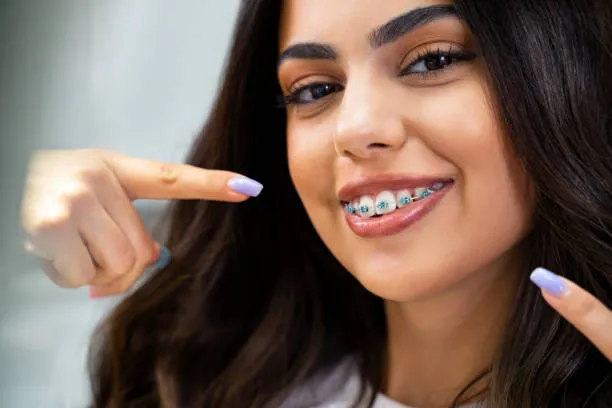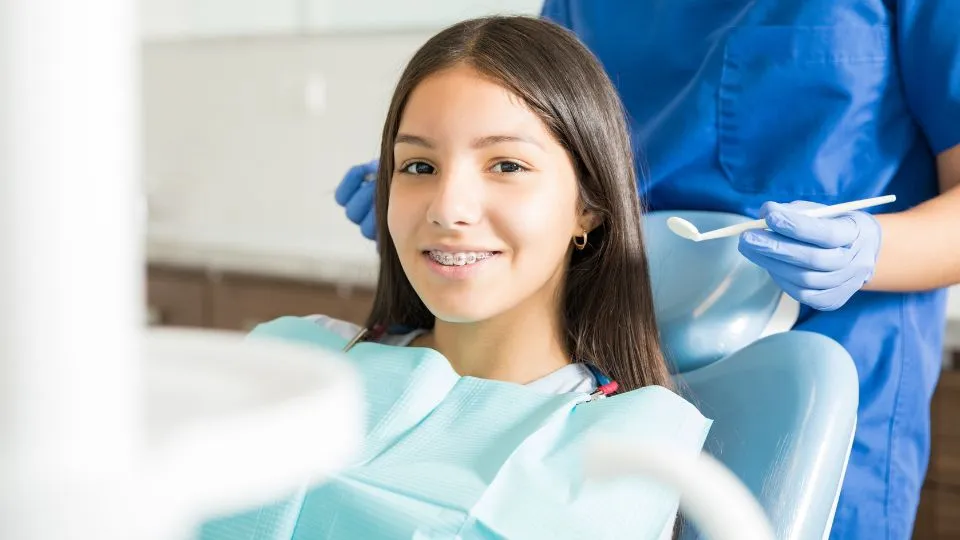
Getting straight teeth shouldn't mean sacrificing your teen's confidence during the process. For families looking at orthodontic options, ceramic braces offer a discreet option for image-conscious teenagers who want effective treatment without the noticeable look of traditional metal brackets. These tooth-colored braces blend naturally with enamel, letting your teen smile freely at school, in photos, and at social events. Cape Fear Orthodontics sees many teens choose this option each year for exactly that reason, and Dr. Justin Groody, a Diplomate of the American Board of Orthodontics, often recommends them when discreet treatment is a priority.
This guide covers what parents and teens need to know about ceramic braces, including how they work, their benefits, cost factors, and whether your teen is a good candidate.
Ceramic and clear brackets are closely related options, so it helps to compare them side by side — see clear braces for teens in Leland, NC
Ready to look at the specifics for your own teen? Our ceramic braces for teens in Leland, NC
Ceramic braces are tooth-colored orthodontic appliances that straighten teeth using translucent brackets bonded to each tooth and connected by an archwire. They function the same way as metal braces but blend with natural enamel, making them far less visible. Teens often choose them as a discreet alternative for moderate to complex cases.
Each system uses fully customized brackets, archwires, and elastic bands to move teeth into proper alignment. The key difference from metal? The brackets are made from translucent ceramic materials that blend in with your teen's natural enamel.
The ceramic material is matched to complement tooth color, making these braces far less noticeable than their metal counterparts. Your teen can also choose clear or tooth-colored elastic ties to further reduce visibility.
For image-conscious teenagers, this discreet appearance makes a real difference. They can speak in class, take photos with friends, and attend events without feeling self-conscious about their smile. The brackets catch less attention, which helps teens feel more like themselves throughout treatment.
Ceramic braces aren't just about looks, though. They deliver the same reliable tooth movement and correction as metal braces, making them suitable for many orthodontic cases, from mild crowding to more complex bite issues.
Ceramic braces work by applying steady, gentle pressure to teeth through brackets and an archwire. The brackets are bonded to each tooth as anchor points. The wire guides movement over time. Most teens wear them for 18 to 36 months, depending on case complexity.
The mechanics behind ceramic braces mirror those of traditional braces. An orthodontist bonds each ceramic bracket to individual teeth using a strong dental adhesive. These fully customized brackets act as anchors for the archwire, which runs across the teeth and provides the force needed to guide them into better positions. The result? Steady, predictable movement.
Here's what happens during treatment:
Treatment duration varies based on each case. Most teens typically wear ceramic braces for 18-36 months, though an orthodontist can provide a more specific timeline during the free consultation. Ceramic braces typically achieve results in the same timeframe as metal braces.
Throughout treatment, the orthodontist monitors progress and makes adjustments to keep everything on track. Each visit is a chance to address any questions and make sure the treatment plan is working. At Cape Fear Orthodontics, Dr. G uses these check-ins to fine-tune progress and answer questions from both teens and parents.
Ceramic braces offer several advantages that make them appealing for teenagers, from looks to clinical effectiveness.
Yes, the discreet appearance helps teens feel more comfortable smiling. The tooth-colored brackets blend in naturally, so your teen can smile without worrying about drawing attention to their braces. This matters during school presentations, yearbook photos, and everyday interactions with friends. Many teens say the difference shows up in how often they smile in pictures, not just how they feel about their teeth.
Ceramic braces handle moderate to severe alignment issues with the same precision as metal braces. Unlike clear aligners, they can correct significant bite problems and cases requiring precise tooth rotation. If your teen's orthodontic needs are too complex for Invisalign, ceramic braces provide a less visible alternative to metal.
Absolutely. The subtle look of ceramic brackets means they're barely noticeable in pictures. Your teen won't need to hide their smile during these important years.
Yes, modern ceramic brackets resist discoloration well. They hold their appearance throughout treatment when proper care is followed. The brackets themselves stay clear, though elastic ties may need replacing if staining occurs.
Because ceramic braces are fixed to the teeth, there's no worry about your teen forgetting to wear aligners or losing them. Treatment progresses consistently without relying on daily discipline. That alone makes them a favorite for busy families at Cape Fear Orthodontics.
Yes, ceramic braces work just as efficiently as metal braces. Your teen won't need to extend treatment time simply because they chose a more discreet option.
Choosing the right orthodontic treatment depends on your teen's specific needs, lifestyle, and preferences. Here's how the three main options compare:
| Feature | Ceramic Braces | Metal Braces | Invisalign |
|---|---|---|---|
| Visibility | Low (tooth-colored) | High (silver) | Very low (clear plastic) |
| Removability | Fixed | Fixed | Removable |
| Durability | Moderate | High | N/A (replaced every 1-2 weeks) |
| Case complexity | Mild to complex | Mild to complex | Mild to moderate |
| Compliance needed | Low | Low | High (22+ hours daily wear) |
| Cost | Moderate-high | Most affordable | Moderate-high |
Ceramic braces offer the best of both worlds for many teens: effective fixed treatment with a subtle appearance. They're slightly more fragile than metal brackets, so teens who play contact sports may need extra protection.
Metal braces remain the most durable and affordable option. They're a good fit for teens who aren't concerned about appearance or who participate in activities where bracket breakage is a risk.
Invisalign is nearly invisible and offers the convenience of removing aligners for eating and brushing. Success depends on your teen wearing them 22 or more hours daily. If compliance might be an issue, fixed braces eliminate that concern.
All three options can produce excellent results for most orthodontic cases. The right choice depends on your teen's lifestyle, the complexity of their case, and your family's budget. A free consultation with a board-certified orthodontist helps determine which treatment fits best.
Ceramic braces typically cost more than metal braces and fall in a similar range to Invisalign. Most families find pricing lands somewhere in the moderate-to-high range, with the final cost shaped by case complexity, treatment length, and insurance benefits. Flexible payment plans often make the difference between options manageable.
Several factors influence the cost of ceramic braces:
Case complexity and treatment length. More complex alignment issues require longer treatment times and more appointments, which affects overall cost. Simple cases may cost less than those requiring significant tooth movement.
Treatment approach. Some orthodontists use ceramic brackets on only the upper teeth (which show more when smiling) and metal brackets on the lower teeth to reduce costs while maintaining aesthetics.
Geographic location and practice expertise. Costs vary by region and by the qualifications of your orthodontist. A Diplomate of the American Board of Orthodontics brings specialized training that supports quality outcomes.
Insurance coverage. Many dental insurance plans include orthodontic benefits that apply to ceramic braces. Check your policy for coverage limits and lifetime maximums.
Payment plans and financing. Most orthodontic practices offer flexible payment options that spread costs over the treatment period, making ceramic braces accessible for more families.
The only way to get an accurate estimate is through a free consultation. During this visit, the orthodontist evaluates your teen's specific needs and provides a detailed breakdown of costs, insurance benefits, and payment options.
Ceramic braces work well for most teenagers, but certain factors help determine if they're the right choice. The best candidates are teens with mild to complex alignment issues, including crowding, spacing, or bite problems. They often feel self-conscious about visible metal hardware and want a subtler look.
Other ideal candidates have permanent teeth that have fully erupted and a commitment to good oral hygiene. They want fixed treatment without the daily compliance demands of aligners. Cape Fear Orthodontics often sees this option suit busy student-athletes and performers especially well.
A few situations call for extra thought:
The best way to determine if ceramic braces are right for your teen is through an orthodontic evaluation. During a free consultation, the orthodontist examines your teen's teeth, discusses treatment goals, and recommends the most effective approach.
Many practices, including Cape Fear Orthodontics, now use digital scanning technology, with no goop impressions, to create a precise picture of teeth. This completely digital workflow allows for accurate treatment planning and helps families understand exactly what to expect.
The brackets themselves resist staining and typically hold their color throughout treatment. The clear or tooth-colored elastic ties around the brackets, however, can pick up staining from coffee, tea, curry, and dark sodas. Those ties get replaced at every adjustment visit, so any discoloration is short-lived.
Yes, ceramic braces generally cost more than traditional metal braces because of the materials and the precision required for placement. Pricing usually falls closer to the range of Invisalign. Insurance benefits, flexible financing, and combined upper-ceramic, lower-metal approaches can help families manage the difference.
Most teens wear ceramic braces for 18 to 36 months, similar to metal braces. The exact timeline depends on the complexity of the case, how the teeth respond to treatment, and how consistently the patient attends adjustment visits. Simple alignment issues may finish faster, while bite corrections take longer.
Yes, though athletes who play contact sports should wear a custom mouthguard to protect both the brackets and their teeth. Ceramic brackets are slightly more brittle than metal ones, so any teen involved in high-impact activities should discuss protective options during their free consultation.
Soreness levels are similar between ceramic and metal braces. Most teens feel mild tenderness for a few days after the brackets are placed and after each adjustment as the teeth begin to shift. Over-the-counter relief and soft foods help during these short adjustment periods.
Curious about ceramic braces for your teen? Learning the differences between treatment options is the first step toward an informed decision. Speaking with a board-certified orthodontist is the best way to understand whether ceramic braces, metal braces, or clear aligners fit your teen's specific needs. A free consultation typically includes a digital scan, a review of treatment options, and clear answers about timelines and costs, helping families feel confident about the path forward.
Experience the Transformative Difference with Cape Fear Orthodontics
Transform your smile at Cape Fear Orthodontics. Contact us today for personalized care and expert guidance.
Plan your visit today! Check out Cape Fear Orthodontics' office hours below