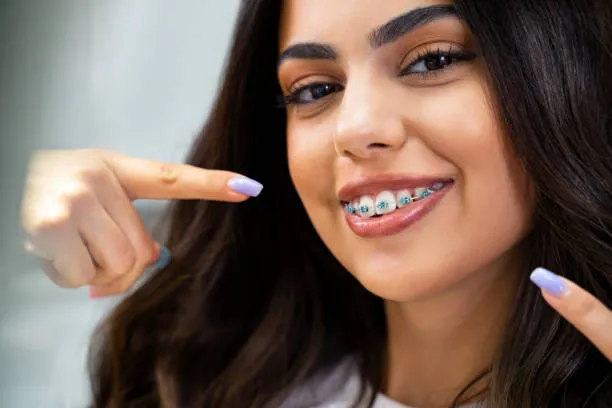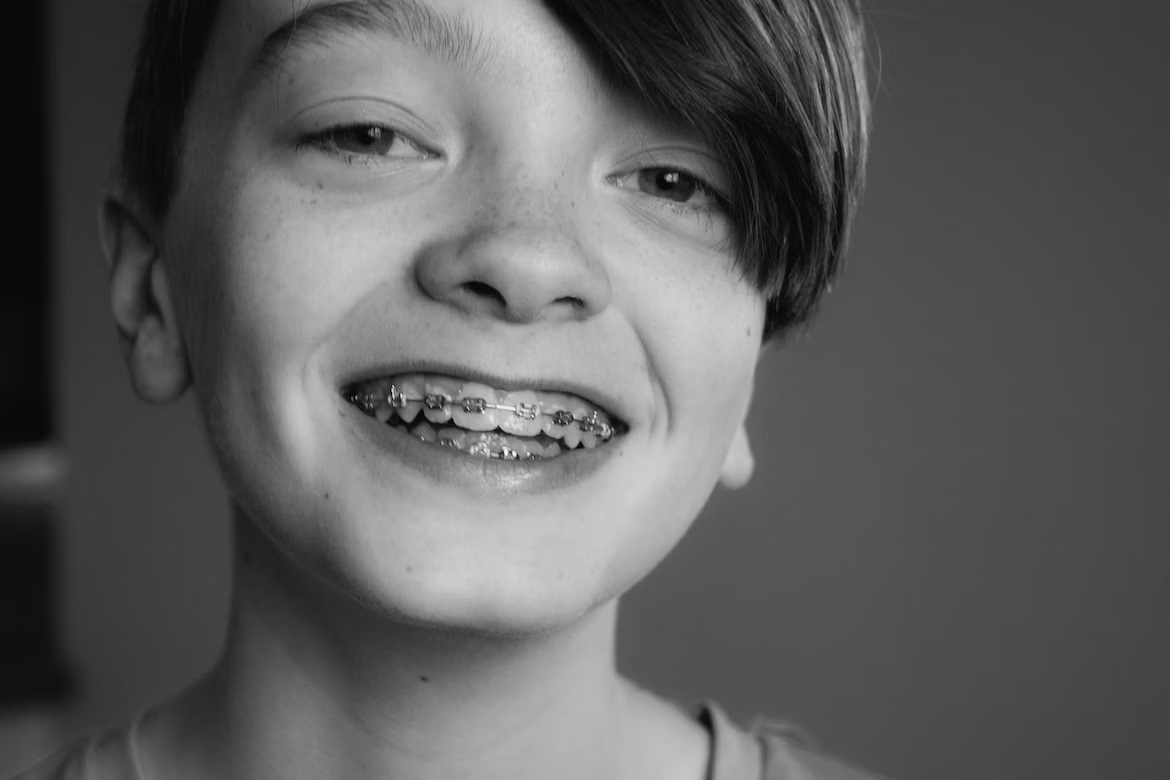
A healthy smile begins in childhood. Those early years shape more than just baby teeth. They set the foundation for your child's oral health, confidence, and overall well-being for decades to come.
For families considering braces for kids, the timing question often comes up first. More parents than ever are exploring orthodontic treatment earlier in their child's development. The reason is simple: addressing alignment issues during active growth often leads to better outcomes and simpler treatment down the road. Here's what you need to know about braces for kids. We'll cover how they work, what types are available, what they cost, and how to tell if your child might benefit from early evaluation.
Families who want a more discreet option for a child can read about clear braces for kids in Leland, NC
Kids braces are orthodontic appliances designed to align teeth and guide jaw development during your child's active growth years. These appliances use fully customized brackets, wires, and gentle pressure to gradually shift teeth into proper position while the jawbone is still developing and most responsive to treatment.
Most children receive braces between ages 7 and 14, though the ideal timing depends on each child's unique development. The American Association of Orthodontists recommends that every child have their first orthodontic evaluation by age 7. This doesn't mean treatment starts that early for everyone. It simply allows a board-certified orthodontist to monitor growth and identify the best window for intervention. Many families schedule this first evaluation alongside routine dental checkups, making it easy to fold into their existing care routine.
You may hear orthodontists discuss treatment in phases:
Phase 1 (Interceptive Treatment): This early treatment typically occurs between ages 7-10, while baby teeth are still present. It addresses specific issues like severe crowding, crossbites, or protruding front teeth that could cause problems if left untreated. Phase 1 usually lasts 12-18 months.
Phase 2 (Full Treatment): This is the complete orthodontic treatment most people picture when they think of braces. It happens after all permanent teeth have erupted, typically during the early teen years. Some children only need Phase 2 treatment, while others benefit from both phases.
Not every child needs Phase 1 treatment. A board-certified orthodontist will help determine the right approach based on your child's specific needs, growth pattern, and developmental stage.
Braces gently move teeth using small fully customized brackets bonded to each tooth and a thin archwire that links them together. The wire applies steady, light force, which signals the surrounding bone to remodel so teeth can shift into healthier positions over months of careful adjustments.
Think of it like nudging teeth, not shoving them. Tiny, ongoing pressure does the heavy lifting while your child goes about everyday life. Over months of small tweaks by a board-certified orthodontist, teeth settle into healthier positions.
Here's what happens during treatment:
These small anchors serve as handles that allow the orthodontic wire to guide tooth movement. They stay bonded to the front of each tooth throughout treatment.
These specially shaped wires apply steady pressure that guides teeth toward their ideal positions. Different wire materials and thicknesses are used at different stages to achieve specific movements.
As pressure is applied, bone cells on one side of the tooth break down while new bone forms on the other side. This natural process allows teeth to settle into new positions.
Every 4-8 weeks, your child visits the orthodontist for a check-in consultation. These visits involve changing wires, adjusting tension, and monitoring progress. Many families build these visits into their school-year routine.
Children's braces work particularly well because young patients have actively growing jaws. This growth creates opportunities to guide development in ways that become more difficult, or even impossible, once growth stops. Treatment typically takes one to two years, though complex cases may require more time. At Cape Fear Orthodontics, families work with a board-certified provider, a Diplomate of the American Board of Orthodontics, who tailors treatment timing to each child.
Starting orthodontic treatment during childhood offers advantages that extend beyond straight teeth.
Crossbites, overbites, and underbites can intensify as children grow. Early intervention guides jaw development while bones are still malleable, often preventing more invasive care later. Properly aligned bites also make chewing more efficient and can improve speech clarity, so children with corrected bites often find eating and speaking more comfortable. Catching these issues early sometimes means fewer corrective steps when your child is older, and it can spare them from the kind of surgical interventions that become the only option once jaw growth has finished.
When baby teeth fall out, permanent teeth don't always emerge where they should. Braces can create space and guide erupting teeth into alignment, reducing crowding and helping more permanent teeth fit comfortably along the arch.
Protruding front teeth are vulnerable to injury during sports and play. Correcting this early protects your child from chips, cracks, and trauma to developing teeth.
Crowded or overlapping teeth create hiding spots for plaque and food particles. Straighter teeth are easier to brush and floss, reducing your child's risk of cavities and gum problems. A confident smile also matters during formative years. Children who feel good about their teeth often smile more freely and engage more comfortably with peers.
Phase 1 treatment can sometimes shorten or simplify Phase 2 treatment. In some cases, early intervention reduces the complexity of later care, making the second phase shorter and more straightforward for your child.
Today's orthodontic solutions give families more choices than ever. At Cape Fear Orthodontics, several appliance types are available so your child's plan can match their lifestyle and clinical needs. Here's what you need to know about each type:
Metal braces remain the most popular choice for children. They're highly durable, which matters for active kids, and typically the most affordable option. Children love choosing colored elastic bands to personalize their look, swapping colors at each adjustment consultation. From school colors at homecoming to holiday hues in December, this small bit of customization keeps treatment fun.
Best for: Most orthodontic cases, especially complex corrections requiring precise control.
Ceramic braces function like metal braces but use tooth-colored or clear fully customized brackets that blend with teeth. They're less noticeable while still providing effective treatment, which makes them a popular pick for kids who feel self-conscious about a full mouth of metal.
Best for: Older children and teens who want a subtler appearance. Note that ceramic brackets are slightly more fragile than metal and need extra care during sports.
These braces use a specialized clip instead of elastic bands to hold the wire in place. They may require fewer adjustment visits and can be easier to keep clean since there are fewer nooks for food to hide.
Best for: Families seeking potentially shorter consultation times and simplified day-to-day maintenance.
Clear aligners are removable trays that gradually shift teeth. They're nearly invisible and allow normal eating and brushing. However, they require excellent compliance. Aligners must be worn most of the day and night, generally close to full-time, to work effectively.
Best for: Responsible teens with mild to moderate alignment issues who will commit to wearing aligners consistently.
| Type | Visibility | Durability | Maintenance | Best Age Range |
|---|---|---|---|---|
| Metal Braces | Most visible | Excellent | Moderate | All ages |
| Ceramic Braces | Subtle | Good | Moderate | Older kids/teens |
| Self-Ligating | Less visible | Excellent | Easier | All ages |
| Clear Aligners | Nearly invisible | Good | Easier | Responsible teens |
An orthodontist will recommend the best option based on your child's specific needs, lifestyle, and treatment goals.
The cost of kids braces depends on several variables, including treatment complexity, the type of appliance chosen, total treatment duration, geographic location, and available insurance benefits. Most families also factor in payment plans, HSA/FSA dollars, and orthodontic riders on dental policies when budgeting for care. Understanding these elements helps families plan effectively.
More complex cases requiring longer treatment or specialized techniques typically cost more than straightforward alignment corrections. Severe crowding, significant bite issues, or jaw discrepancies may require additional time and expertise from a board-certified orthodontist with Diplomate status from the American Board of Orthodontics.
Metal braces are generally the most affordable option, while ceramic braces and clear aligners tend to cost more. Self-ligating braces fall somewhere in between.
Longer treatment means more visits and materials, which affects overall cost. Phase 1 and Phase 2 treatments are typically priced separately.
Orthodontic fees vary by region based on local cost of living and practice overhead. Families searching for braces for kids in Leland, NC can expect pricing in line with practices serving Brunswick County and the surrounding communities.
Many dental insurance plans include orthodontic benefits for children that cover a meaningful portion of treatment. Check your plan's lifetime orthodontic maximum and any age restrictions to know exactly what your policy contributes.
Most orthodontic practices offer payment plans that spread costs over the treatment period. Health Savings Accounts (HSAs) and Flexible Spending Accounts (FSAs) can also help families manage orthodontic expenses with pre-tax dollars.
A free consultation with an orthodontist can provide a detailed cost estimate based on your child's specific treatment plan, plus a discussion of payment options that fit your family's budget.
Wondering if your child might benefit from orthodontic evaluation? Here are common signs to watch for:
The American Association of Orthodontists recommends orthodontic evaluation by age 7 because this is when the first permanent molars typically emerge. This timing allows orthodontists to assess how the bite is developing and identify potential issues early. Many parents schedule this evaluation as soon as their child turns seven, treating it as another childhood milestone alongside the first day of school or a first lost tooth.
Remember: evaluation doesn't automatically mean treatment. Many children evaluated at age 7 simply receive monitoring until the right time for braces arrives. A board-certified orthodontist, like those who hold Diplomate status from the American Board of Orthodontics at Cape Fear Orthodontics, can determine whether your child needs early intervention or would benefit from waiting until more permanent teeth have erupted.
Most children receive braces between ages 9 and 14, after their permanent teeth have begun erupting. However, some children benefit from Phase 1 treatment as early as age 7-8. The best approach is an evaluation by age 7, which allows your orthodontist to recommend the ideal timing for your child's specific situation.
Children may experience mild discomfort for a few days after braces are placed and following adjustments. This tenderness is normal and typically manageable with over-the-counter relief and soft foods. Most kids adjust quickly and report that braces are far more comfortable than they expected.
Treatment duration varies based on the complexity of your child's case. Most children wear braces for one to two years, though some cases may be shorter or longer. Your orthodontist will provide a personalized timeline during an orthodontic evaluation.
Absolutely. Children can participate in all sports while wearing braces. We recommend a protective mouthguard during contact sports to protect both the braces and your child's mouth. Your orthodontist can recommend the best type of mouthguard for braces.
Hard, sticky, and chewy foods can damage braces or get stuck in brackets. Common foods to avoid include hard candy, caramel, popcorn, ice, and whole apples or carrots (cut them into small pieces instead). Your orthodontic team will provide a list of braces-friendly eating habits that protect your child's appliances throughout treatment.
Every confident smile has a beginning, and honestly, the hardest part is just picking up the phone. Talking with an experienced orthodontist is the best way to learn whether braces for kids in Leland, NC are right for your child and to find out which option fits your family's needs and budget. A free consultation can clarify timing, choices, and next steps so you feel good about moving forward with care that supports healthy development for years to come. The team at Cape Fear Orthodontics is happy to walk through it with you, answer your questions, and help your child take that first step toward a smile they'll love.
Experience the Transformative Difference with Cape Fear Orthodontics
Transform your smile at Cape Fear Orthodontics. Contact us today for personalized care and expert guidance.
Plan your visit today! Check out Cape Fear Orthodontics' office hours below