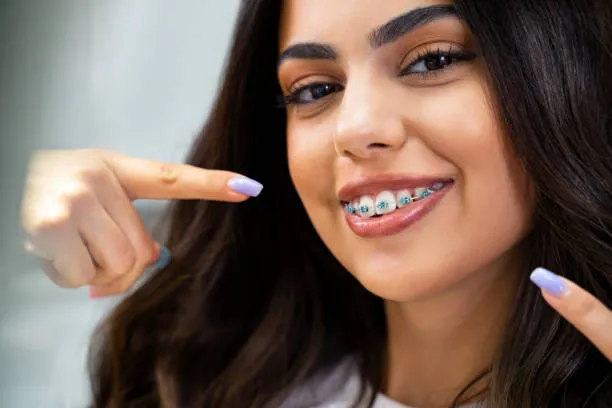
Braces for teens in Leland, NC offer a window of opportunity that's hard to match at any other stage of life. By ages 11 to 15, most teens have all their permanent teeth in place while their jaw is still actively developing. This combination makes tooth movement more efficient and often more comfortable than treatment during adulthood.
If you're a parent researching options for your teen, here's good news: today's braces look and feel nothing like the bulky metal brackets you might remember. Modern orthodontic technology offers sleeker profiles, gentler pressure, and discreet options that help teens feel confident throughout their treatment.
If your teen wants the results of braces without the metal look, our page on clear braces for teens in Leland, NC
The teenage years line up almost perfectly with the biology of tooth movement. By the time a teen reaches middle school, the baby teeth have typically given way to permanent ones, but the surrounding bone, ligaments, and soft tissues remain in an active growth phase. This means teeth respond to gentle, steady pressure more readily than they often do later in life.
Jaw development matters too. The upper and lower jaws continue maturing into the late teens, which gives orthodontists in Leland, NC the chance to guide growth rather than work around a fully set structure. Bite issues like overbites, underbites, and crossbites are often easier to correct while the jaw is still cooperative.
There's also a practical side. Teens are usually established in routines like brushing, flossing, and regular dental visits, which makes day-to-day care of braces more manageable. Treating orthodontic concerns now can prevent compensations and complications that may develop in adulthood, saving time and effort down the road.
Braces for teens are orthodontic appliances that gradually shift teeth into proper alignment using brackets, wires, or clear plastic trays. They correct issues such as crowding, gaps, overbite, underbite, crossbite, and rotated teeth. Treatment usually lasts 12 to 24 months, with the goal of producing a healthier bite and a confident smile.
Today's teens have more choices than ever when it comes to braces. Options include traditional metal braces, ceramic braces with tooth-colored brackets, lingual braces positioned behind the teeth, and clear aligner systems. Each type works toward the same goal: a healthier bite and a confident smile.
Treatment duration varies based on the complexity of your teen's case, but most teens wear braces for 12 to 24 months. Some straightforward cases wrap up in under a year, while more complex bite corrections may take a bit longer.
Knowing what to expect helps both parents and teens feel prepared for the months ahead. Here's how the process typically unfolds.
Orthodontic care for your teen starts with a thorough evaluation. At Cape Fear Orthodontics, our team uses digital scanning technology instead of goop impressions to create precise 3D images of your teen's teeth. X-rays and photographs round out the diagnostic picture, giving the orthodontist a clear view of bite, alignment, and growth patterns. Families in Leland, NC can schedule a free consultation to begin this step.
Based on the exam findings, our orthodontists develop a personalized treatment plan. This plan considers your teen's specific bite issues, facial structure, and smile goals. Digital treatment planning lets us show you projected results before treatment even begins.
When teens choose traditional or ceramic braces, fully customized brackets are bonded to each tooth. An archwire connects them and provides the gentle, consistent pressure that moves teeth over time. The placement consultation typically takes one to two hours, and most teens leave feeling surprised at how quick and painless the process is.
Teens return to the practice every 4 to 8 weeks for adjustment visits. During these appointments, the archwire may be tightened or replaced to continue guiding teeth toward their target positions. Adjustment visits are usually quick, lasting 15 to 30 minutes from check-in to checkout.
After the braces come off, retainers keep teeth in their new positions while the surrounding bone and tissue stabilize. Wearing retainers as directed prevents teeth from shifting back toward their original alignment.
Starting orthodontic treatment during adolescence offers advantages that extend well beyond a straighter smile. Several benefits stand out for Leland teens and their families.
The teen years are filled with social milestones like school photos, dances, and first jobs. A smile your teen feels good about can make these experiences more enjoyable, and modern options like clear brackets, tooth-colored wires, and removable aligners mean teens don't have to hide during treatment. Many of today's options are barely noticeable.
Crowded or overlapping teeth create tight spaces where plaque hides and brushing misses. Properly aligned teeth are simpler to keep clean, lowering the risk of cavities and gum problems. When teeth meet correctly, chewing is more efficient and comfortable, and a balanced bite reduces uneven wear on enamel and decreases strain on jaw muscles.
Choosing the right type of braces depends on your teen's orthodontic needs, lifestyle, and personal preferences. Here's how the main options compare:
| Feature | Metal Braces | Ceramic Braces | Clear Aligners | Lingual Braces |
|---|---|---|---|---|
| Visibility | Most visible | Tooth-colored, subtle | Nearly invisible | Hidden behind teeth |
| Durability | Very durable | Slightly more fragile | Durable plastic | Durable |
| Removability | Fixed | Fixed | Removable | Fixed |
| Best For | All cases, including complex | Moderate to complex cases | Mild to moderate cases | Patients wanting hidden braces |
| Maintenance | Standard brushing/flossing | Extra care to prevent staining | Remove to eat and clean | Requires adaptation |
| Typical Cost | Most affordable | Moderate | Moderate to higher | Highest |
Metal Braces remain the most popular choice for teens. They're the most affordable option and handle even complex cases effectively. Today's metal brackets are smaller and lower-profile than older versions.
Ceramic Braces use brackets that blend with your teen's natural tooth color. They work just as effectively as metal braces but offer a more subtle appearance. The brackets can stain if your teen drinks lots of coffee or tea or eats dark-colored foods, so good hygiene habits matter.
Clear Aligners like Invisalign Teen are removable trays that straighten teeth without brackets or wires. They're popular with teens who play wind instruments or contact sports. Aligners must be worn 20 to 22 hours daily, as recommended by the manufacturer, to work properly.
Lingual Braces attach to the back surfaces of teeth, making them completely hidden from view. They're a good choice for teens who want invisible treatment but need fixed appliances. The tradeoff is a higher cost and an adjustment period for speech.
Each option can treat most alignment issues effectively. Our team at Cape Fear Orthodontics, led by Dr. G, a diplomat of the american board of orthodontics, helps families understand which approach fits their teen's specific situation.
Several factors influence the total investment in your teen's orthodontic treatment, and ranges vary based on case complexity.
A free consultation is offered at Cape Fear Orthodontics so families in Leland, NC can understand costs and options before making any commitments.
Most teens are good candidates for orthodontic treatment. Here are the factors our orthodontists consider when evaluating Leland teens:
Age and dental development. The ideal time for braces is after most permanent teeth have erupted, typically between ages 11 and 15. Some teens may benefit from earlier intervention if specific issues are identified during childhood.
Oral health status. Healthy teeth and gums provide the foundation for successful orthodontic treatment. Any cavities or gum disease should be addressed before braces are placed.
Specific orthodontic concerns. Crowding, spacing, bite problems, and crooked teeth all respond well to braces. Even teens with complex issues can achieve excellent results with the right treatment plan.
Commitment to care. Braces require cooperation. Your teen needs to maintain good brushing and flossing habits, avoid certain foods that can damage brackets, and attend scheduled visits. For clear aligners, consistent wear is essential.
Individual evaluation. Every teen's mouth is unique. Board-certified orthodontists like Dr. G can assess your teen's specific anatomy, growth pattern, and goals to recommend the most effective approach.
According to the American Association of Orthodontists, an orthodontic evaluation by age 7 helps identify issues early, but most teens begin active treatment during middle or high school when their permanent teeth are in place.
Most teens wear braces for 12 to 24 months, though some straightforward cases finish sooner and complex bite corrections can take a bit longer. The orthodontist provides a personalized estimate after the initial exam.
Braces don't typically cause significant discomfort. Most teens feel mild soreness for a few days after placement and after adjustment visits as teeth begin to shift. Over-the-counter relief and soft foods usually help during the first day or two.
Yes. Teens who play contact sports should wear an orthodontic mouthguard for protection. Wind and brass instrument players may need a short adjustment period, and some prefer clear aligners since the trays can be removed during practice or performance.
Hard, sticky, and chewy foods can damage brackets or wires. Common items to skip include caramel, popcorn, hard candy, ice, and crunchy nuts. Teens with clear aligners can eat normally because the trays come out at meals.
Adjustment visits are typically scheduled every 4 to 8 weeks. These quick check-ins keep treatment on track and let the orthodontist make small changes as teeth respond.
If a bracket loosens or a wire pokes, contact the practice for guidance. Many minor issues can wait until the next scheduled visit, while others may require a brief repair. Orthodontic wax can help with poking wires until your teen is seen.
Experience the Transformative Difference with Cape Fear Orthodontics
Transform your smile at Cape Fear Orthodontics. Contact us today for personalized care and expert guidance.
Plan your visit today! Check out Cape Fear Orthodontics' office hours below