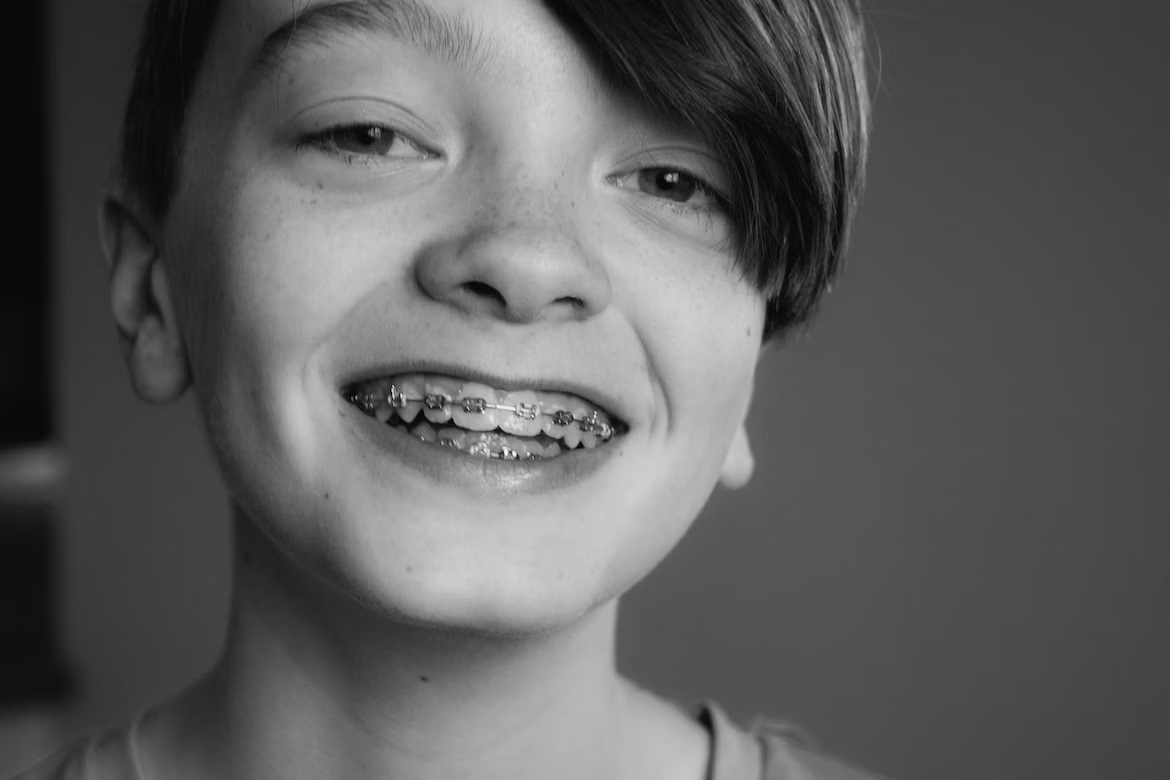
Many kids feel self-conscious about wearing metal braces. The idea of a mouth full of shiny brackets can make school photos, sports, and everyday conversations feel awkward. That's where clear braces come in. If you're searching for clear braces for kids in Leland, NC, ceramic brackets blend naturally with your child's teeth, offering effective orthodontic treatment without the "metal mouth" look.
For families exploring ceramic options, these brackets have become one of the most-requested choices at orthodontic practices like Cape Fear Orthodontics. Why? Because kids today are more aware of their appearance than ever, and parents want a treatment that works without making their child dread school photos or first-day introductions. Clear braces strike that balance well.
In this guide, you'll learn what clear braces are, how they work, and whether they're the right choice for your child. We'll also cover costs, compare different orthodontic solutions, and help you understand what to expect during the treatment process. By the end, you'll have a clearer picture of whether ceramic brackets fit your child's needs, lifestyle, and smile goals.
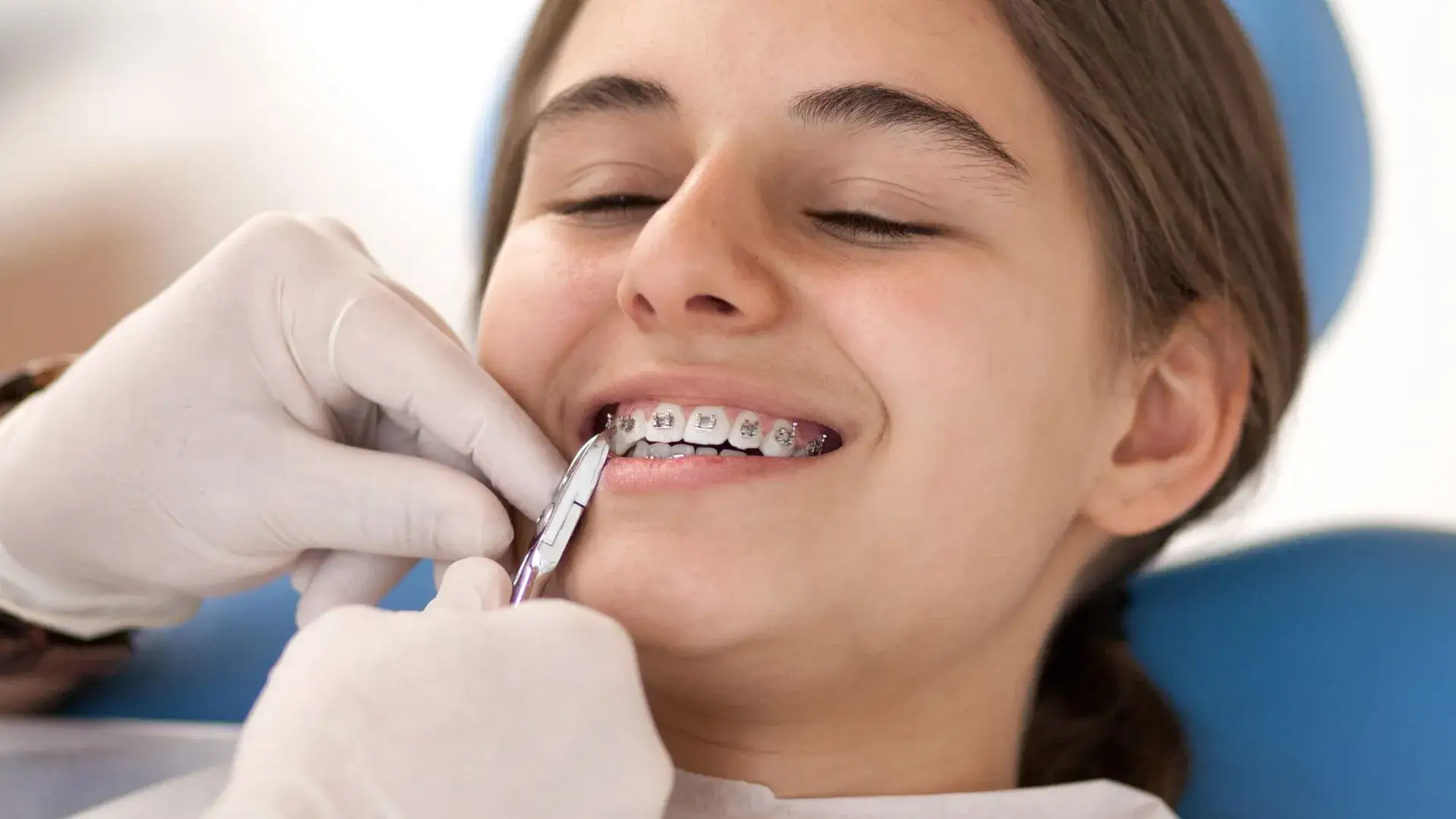
Clear braces are tooth-colored ceramic brackets bonded to teeth and connected by a thin archwire. They correct the same alignment issues as metal braces, including crowding, spacing, and bite problems, while blending in with the natural shade of your child's teeth for a far more discreet look.
Here's how they work: fully customized brackets made of ceramic are bonded to each tooth, just like metal braces. A thin archwire connects the brackets and applies gentle pressure to guide teeth into proper alignment. Some orthodontists use tooth-colored or frosted wires to make the system even less noticeable.
Keep in mind that clear braces aren't the same as Invisalign. Ceramic braces are fixed appliances that stay on your child's teeth throughout treatment. Invisalign uses removable clear plastic aligners that your child takes out for eating and brushing. Both have their place in orthodontic care, but they work very differently.
Ceramic braces can correct the same issues as traditional metal braces, including:
The main advantage is appearance. Your child gets the proven effectiveness of bracket-and-wire orthodontics with a look that's far less obvious to classmates and friends.
Ceramic braces work by applying steady, gentle pressure through a system of fully customized brackets and a connecting archwire. The wire guides each tooth into its ideal position over time, while the bone surrounding each tooth remodels to support the new alignment. Most kids wear clear braces for roughly one to two years, depending on the case.
The mechanics are straightforward. Your orthodontist bonds each ceramic bracket to the front surface of your child's teeth using a special dental adhesive. An archwire threads through slots in each bracket, creating a connected system across the entire smile. Practices like Cape Fear Orthodontics use modern bonding methods designed to keep the process smooth and comfortable for younger patients.
This archwire does the heavy lifting. It applies constant, gentle pressure that gradually shifts teeth into their ideal positions. As teeth move, the bone around them remodels to support the new alignment.
Your child will visit the orthodontist every four to eight weeks for an adjustment consultation. During these consultations, the orthodontist may tighten the wire, replace it with a different gauge, or make other modifications to keep treatment progressing. These regular check-ins let the orthodontic team monitor movement and address any concerns.
Treatment timelines vary. Some cases finish faster. Others take longer. The complexity of alignment issues, your child's growth patterns, and how well they follow care instructions all affect the timeline.
Throughout treatment, the orthodontist tracks progress using digital scans and visual examinations. This ongoing monitoring ensures teeth are moving correctly and allows for adjustments if something isn't progressing as expected.
Ceramic options offer several advantages that make them popular with kids and parents alike. The brackets blend with the natural color of teeth, work effectively for most alignment issues, and feel comfortable against the lips and cheeks once your child adjusts.
Yes, by a lot. Fully customized ceramic brackets blend with natural tooth color, making them far less noticeable than metal braces. In photos, from a normal conversation distance, and during everyday activities, ceramic brackets simply don't stand out the way metal ones do.
Many parents notice a real difference. Kids feel more comfortable smiling during school, extracurricular activities, and social events. When orthodontic treatment doesn't dominate their appearance, many kids experience less self-consciousness about their smile during the treatment process.
In most situations, yes. Ceramic brackets work just as effectively as metal brackets for most alignment issues. They can handle crowding, spacing problems, and various bite issues. Your child doesn't have to sacrifice treatment quality for a better appearance.
Modern fully customized brackets are designed to resist staining. While the tiny elastic bands that hold the wire in place can discolor between consultations, the brackets themselves typically maintain their appearance well throughout treatment. A quick swap of the elastics at each visit keeps things looking fresh.
Ceramic options don't take longer than traditional braces. Treatment duration depends on the complexity of your child's case, not the type of brackets used. Your child can expect similar timelines whether they choose ceramic or metal.
Today's ceramic brackets feature smooth, rounded edges that reduce irritation to lips and cheeks. While any braces require an adjustment period, many kids find clear braces comfortable once they get used to them. The first week is the toughest. After that, most kids hardly notice them.
Choosing the right orthodontic solution depends on your child's needs, lifestyle, and preferences. The table below breaks down how the three main options stack up so you can quickly see which might fit best.
| Feature | Clear Braces | Metal Braces | Invisalign |
|---|---|---|---|
| Visibility | Low - blends with teeth | High - silver brackets visible | Very low - nearly invisible |
| Durability | Good - ceramic is strong | Excellent - most durable option | Good - plastic is sturdy |
| Removability | Fixed - stays on teeth | Fixed - stays on teeth | Removable - taken out for eating |
| Compliance Required | Moderate - follow care rules | Moderate - follow care rules | High - must wear most of the day |
| Treatment Scope | Wide - handles most cases | Widest - handles complex cases | Varies - best for mild to moderate |
| Maintenance | Regular brushing around brackets | Regular brushing around brackets | Clean aligners daily |
Clear Braces work well for kids who want effective treatment without the metallic look. They're fixed, so there's no worry about your child forgetting to wear them or losing aligners.
Metal Braces remain the most durable option and often cost less than clear alternatives. They're a strong choice for severe alignment issues and for kids who play contact sports, since metal brackets are less likely to chip.
Invisalign offers maximum discretion since the aligners are nearly invisible. They do require significant compliance, though. Your child must wear them most of the day, only removing them for meals and brushing. For younger kids or those who might forget to put aligners back in, this can be challenging.
The best fit depends on your child's specific situation. Booking a free consultation with an experienced orthodontist helps determine which solution will deliver the best smile transformation for your child's unique needs.
Ceramic braces typically cost more than metal braces but less than some premium aligner systems. Several factors influence the final price, including treatment complexity, length of care, the type of ceramic brackets used, geographic region, and your insurance coverage. The only way to get an accurate number is through a personalized evaluation.
Yes. More complex alignment issues require longer treatment times and more adjustments. A child with mild crowding will typically pay less than one with severe bite issues requiring extensive correction.
Longer treatments mean more consultations, more materials, and more orthodontist time. Cases that take around two years will generally cost more than year-long treatments.
Absolutely. Different ceramic bracket systems exist, and some cost more than others. Advanced designs with special features may shift the overall price.
Orthodontic fees vary by region. Practices in different areas have different overhead costs, which can affect pricing. Families in Leland, NC often find rates competitive with the broader regional market.
Many dental insurance plans include orthodontic benefits that cover a portion of treatment costs. Coverage amounts vary widely, so check your specific plan details.
Most orthodontic practices offer in-house monthly payment plans with a down payment followed by fixed monthly installments spread across the active treatment window. Some practices also work with third-party financing companies that offer extended terms or low-interest options. Many families end up paying a manageable monthly amount rather than a large lump sum upfront.
The only way to know the actual cost for your child is through a free consultation, where the orthodontist evaluates your child's needs and provides a detailed treatment estimate.
Most children with their permanent teeth are candidates for ceramic braces. The best candidates have most of their adult teeth in place, mild to moderate alignment issues, solid brushing habits, and the ability to follow basic care rules. Younger kids still losing baby teeth may need to wait or start with a different approach first. Cape Fear Orthodontics evaluates each child individually to find the best fit.
Ceramic options work best once most or all permanent teeth have come in. This typically happens around age 11 to 13, though it varies. An orthodontist can evaluate whether your child's dental development is ready for treatment.
Fully customized ceramic brackets effectively treat mild to moderate orthodontic issues. This includes:
For very severe cases involving significant jaw discrepancies, metal braces or other approaches might be recommended.
Very important. Any braces require careful cleaning. Food can get trapped around fully customized brackets, increasing the risk of cavities and gum issues. Kids who brush and floss consistently tend to have better outcomes and healthier teeth throughout treatment.
While ceramic braces don't require the compliance that Invisalign does, they still need proper care. Kids should avoid hard, sticky, or chewy foods that can damage fully customized brackets. They need to attend regular adjustment consultations and follow their orthodontist's instructions.
If your child plays contact sports, a mouthguard is essential with any braces. Ceramic brackets can chip if hit hard, so extra protection matters. For musicians who play wind instruments, there may be a brief adjustment period.
A free consultation with an experienced orthodontist provides definitive answers. During this visit, the orthodontist examines your child's teeth, discusses treatment goals, and recommends the best orthodontic solution. Digital scans eliminate the need for uncomfortable goop impressions, making the evaluation process quick and comfortable for kids. Cape Fear Orthodontics, led by Dr. G, a diplomat of the american board of orthodontics, uses digital scanning technology for a more pleasant first visit for families across Leland, NC.
Want to learn more about ceramic options? Explore our orthodontic treatment guide or read about Dr. G's board-certified approach to customized care to see how ceramic brackets fit into a fuller picture of modern orthodontics. You can also visit our contact page when you're ready to start your journey to a confident smile.
Ceramic braces generally cost more than metal braces but less than some premium aligner systems. The exact price depends on treatment complexity, length, the bracket system used, your region, and your insurance coverage. A free consultation at Cape Fear Orthodontics provides an accurate, personalized estimate based on your child's specific needs.
Most children are ready for ceramic options between ages 11 and 13, once most or all of their permanent teeth have come in. Some kids may benefit from earlier interceptive care, while others wait a bit longer. An orthodontic evaluation around age 7 helps determine the right timing.
Most kids wear ceramic braces for roughly one to two years, though some cases are shorter or longer. Treatment length depends on the complexity of alignment issues, growth patterns, and how well your child follows care instructions. Fully customized brackets in ceramic don't take longer than metal brackets to deliver a great smile transformation.
Hard, sticky, and chewy foods are the main culprits. That means no hard candy, popcorn kernels, ice, caramel, gum, or whole apples bitten directly. Cutting tougher foods into smaller pieces helps. Following these rules protects fully customized brackets from chipping and keeps treatment on schedule.
It depends on the child. Ceramic options are fixed, so there's no risk of lost aligners or skipped wear time. Invisalign offers more discretion but requires kids to wear aligners most of the day on their own. For younger or less responsible kids, clear braces are often the more reliable option, and the team at Cape Fear Orthodontics in Leland, NC can help you decide which makes more sense.
No. Ceramic braces feel similar to metal braces. There's a brief adjustment period after placement and after each tightening, but discomfort is generally mild and short-lived. Modern fully customized brackets have smooth, rounded edges that reduce irritation to lips and cheeks.
Experience the Transformative Difference with Cape Fear Orthodontics
Cape Fear Orthodontics is excited to continue serving the Cape Fear community from our beautiful new Leland location.
As a family-owned practice, we combine a welcoming, patient-first approach with modern orthodontic care for kids, teens, and adults.
We’re excited to welcome patients to our new home and continue serving families throughout Leland, Wilmington, and Belville.
📍 New Leland Location Opening This Summer
Transform your smile at Cape Fear Orthodontics. Contact us today for personalized care and expert guidance.
Plan your visit today! Check out Cape Fear Orthodontics' office hours below